


Compare Medicare Supplement Plans 2026
Navigating Medicare Supplement plans, also known as Medigap, can be complex, given the varied benefits and costs across different plans and states.
This page provides a comprehensive guide to help you compare Medicare Supplement plans, aiming to help you identify the right coverage to complement your Original Medicare.
With insights into Plan A to N, including year-specific considerations for 2026–2027, you’ll gain a clearer understanding of how each option can work for you. Our goal is to furnish you with the knowledge needed to make an informed decision about your Medicare supplemental coverage.
Key Highlights
- Medicare Supplement plans, or Medigap, fill coverage gaps in Original Medicare like copayments, coinsurance, and deductibles.
- Standardized Medigap plans A-N offer varying coverage levels, ensuring uniform benefits but varying premiums by state.
- Use comparison charts to evaluate Medigap plans based on costs, benefits, and plan accessibility to match healthcare needs.
- Factors like location, age, and provider choice significantly impact Medicare Supplement Plan premiums.
- Understand enrollment periods to purchase Medigap plans without medical underwriting, ensuring coverage without higher premiums.
Compare plans and enroll online
Understanding the Best Medicare Supplement Plans 2026
Navigating the world of Medicare Supplement Plans can seem daunting, but understanding their role is crucial for those approaching Medicare eligibility.
These plans, often referred to as Medigap, aim to bridge the gaps left by Original Medicare, covering costs like copayments, coinsurance, and deductibles. By selecting a suitable supplement plan, beneficiaries can ensure more predictable out-of-pocket expenses and gain peace of mind about coverage.
This section delves into what Medicare Supplement Plans are, highlighting their features and the reasons you might consider incorporating them into your broader healthcare strategy.
What is a Medicare Supplement Plan?
A Medicare Supplement Plan, also known as Medigap, is designed to fill in the financial gaps that Original Medicare does not cover. These gaps can include various out-of-pocket costs such as copayments, coinsurance, and deductibles. Medigap plans are standardized by the federal government, ensuring consistent benefits across insurers.
However, availability and specific details can vary based on the state in which you reside. Notably, Medigap plans are sold by private insurance companies, offering a way to supplement your health coverage by reducing unexpected expenses for services covered by Original Medicare.
Understanding the benefits of a Medigap plan is crucial for making informed choices about your healthcare.
Medigap policies do not cover additional services like vision or dental care, prescription drugs, or long-term care. Instead, their purpose is to bolster your existing Medicare coverage, providing enhanced financial protection for services that Original Medicare already covers, but with additional out-of-pocket costs. The supplemental insurance aspect is critical, as it effectively cements a financial safety net for those unexpected health events.
Selecting the right Medigap plan involves comparing standardized plans like Plan A through Plan N. Each offers different coverage levels while considering factors like monthly premiums and your specific health needs.
This decision-making process is facilitated by using resources that compare these supplement plans, allowing for an assessment of plan benefits and how they align with your financial and medical requirements. Ultimately, by carefully crafting your Medicare Supplement strategy, you can enjoy comprehensive coverage tailored to support your health and financial well-being.

Medicare Supplement Plans 2027 – How they work
Original Medicare, encompassing Part A and Part B, provides essential healthcare coverage but unfortunately leaves some significant gaps. These gaps can result in unexpected medical expenses that are the responsibility of the Medicare recipient.
Some areas of concern include copayments, coinsurance, and deductibles; these can significantly impact a retiree’s budget. Evaluating these gaps is crucial for those approaching Medicare eligibility, as it helps in understanding how Medicare Supplement, or Medigap, plans can offer additional coverage and financial protection.
These plans are designed to help beneficiaries manage lower out-of-pocket costs, ensuring more predictable healthcare expenses.

Why Consider Medicare Supplement Plans?
Considering Medicare Supplement Plans becomes particularly important when analyzing the financial burden of gaps left by Original Medicare. Original Medicare covers many healthcare needs, but doesn’t cover everything. For instance, beneficiaries are often shocked by the out-of-pocket expenses from coinsurance and requirements like deductibles, which can quickly add up.
By opting for a Medicare Supplement Plan, also known as Medigap, you can significantly lower these unexpected costs. These plans help cover what Original Medicare doesn’t, providing peace of mind and financial predictability for seniors on a fixed income. The benefits each plan helps pay for vary, meaning it’s crucial to assess options thoroughly.
Supplement plans are standardized, offering consistent coverage levels across insurers. This standardization ensures you receive the same basic benefits no matter which insurer you choose, although premiums may vary based on location and provider. Evaluating these plans involves understanding how they cover certain costs. For example, some plans may cover all of your copayments, while others might focus on reducing coinsurance fees.
It’s essential to identify the primary areas where Original Medicare coverage leaves beneficiaries vulnerable, thereby assessing which supplement plan covers those specific financial exposures effectively. Covering these elements can make healthcare more manageable and less financially taxing.
See rates in your area!

Medicare Supplement Plans Chart 2027
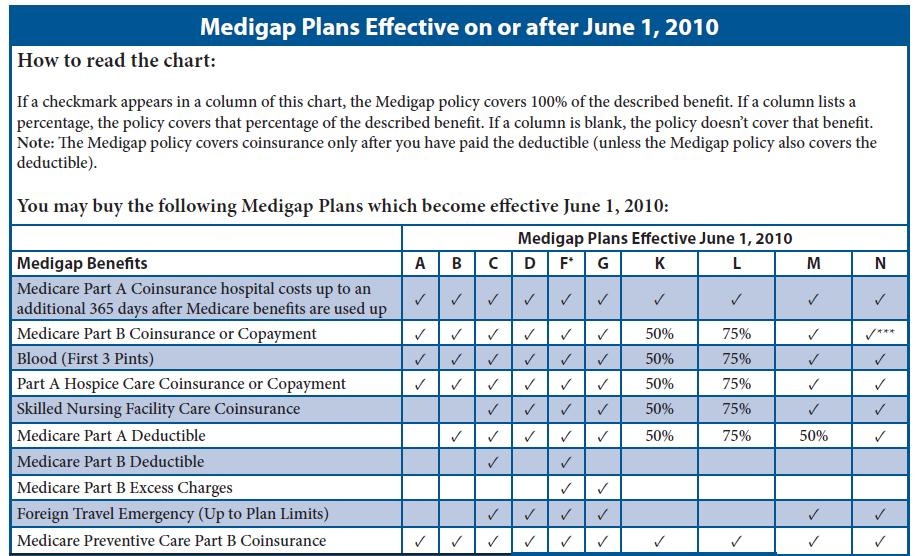
If you’re wading through Medicare Supplement Plans, a comparison chart can be a vital tool for understanding your options.
These charts allow you to easily compare the benefits and costs of different Medigap plans, focusing on how each plan covers gaps left by Original Medicare. With this structured approach, you can evaluate aspects like monthly premiums, benefits, and plan accessibility, making the decision-making process clearer.
Understanding how these comparison tools can work alongside Medicare’s own resources empowers beneficiaries to make informed choices tailored to their unique healthcare needs.
How to Compare Costs and Benefits
To compare Medigap plan benefits effectively, start by understanding the standardized nature of these insurance options. Each plan, from A to N, offers a different level of coverage for the gaps in Original Medicare, such as copayments, coinsurance, and deductibles. To make an informed decision, consider using Medicare’s comparison tool.
This resource can help you see how each plan covers these costs and aligns with your financial and healthcare needs. Delve into details like what each plan covers and the variance in monthly premiums, as different areas and providers set premiums differently. The ability to compare allows for a customized fit; a retiree in good health might find comfort in a plan with lower premiums but less comprehensive coverage.
Conversely, those predicting higher medical usage could benefit from plans with a higher premium but more extensive cost coverage, ensuring greater financial security.
To further assess plan benefits, it’s imperative to understand Medicare Part specifics and how they interlace with supplement plans. Recognizing how different components of Medicare work with Medigap plans ensures you maximize what each plan covers. Keep in mind factors like continuous premiums and changes over time as you stay updated with plan modifications.
By strategically comparing, beneficiaries can efficiently navigate their options, ensuring they secure a plan that provides robust coverage while maintaining cost-effectiveness. An insightful comparison not only fosters financial peace of mind but also supports a well-rounded approach to managing healthcare expenses.

Medicare Supplement Plan Types
Medicare Supplement, or Medigap, plans are structured to fill the coverage gaps in Original Medicare.
These standardized plans are crafted to provide financial protection by covering costs such as copayments, coinsurance, and deductibles not covered by Original Medicare. With plans labeled A through N, each offers varying levels of coverage tailored to meet different healthcare needs and budgets. Delving into these options helps beneficiaries select a plan that aligns with their needs, ultimately ensuring comprehensive healthcare coverage and financial stability.
Understand how these plans benefit those nearing or currently enjoying retirement.
Standardized Plans A–N: Which Fits Your Needs?
Selecting the right Medigap plan involves understanding the various standardized plans available, ranging from Plan A to Plan N. These plans are standardized by federal mandates to ensure uniformity in coverage benefits, regardless of the insurance company providing them. However, premiums can differ based on the insurer and location, making it crucial to compare costs alongside benefits.
For instance, Plan A offers core benefits covering basic gaps in Medicare, while Plan G includes more comprehensive coverage, such as excess charges. Conversely, Plan N might require copayments but usually has lower premiums, appealing to those with fewer healthcare needs who desire reduced monthly costs.
Determining which plan fits your needs involves assessing your health status, financial situation, and retirement plans. Consider factors like your anticipated medical expenses, your comfort level with out-of-pocket costs, and whether predictable monthly expenses are a priority.
Plans like F or G often appeal to those with higher healthcare usage due to their broad coverage, but come at a higher premium compared to others like Plans K or L, which offer more modest coverage at reduced premiums. Evaluate your priorities carefully to match the plan’s benefits with your healthcare needs.
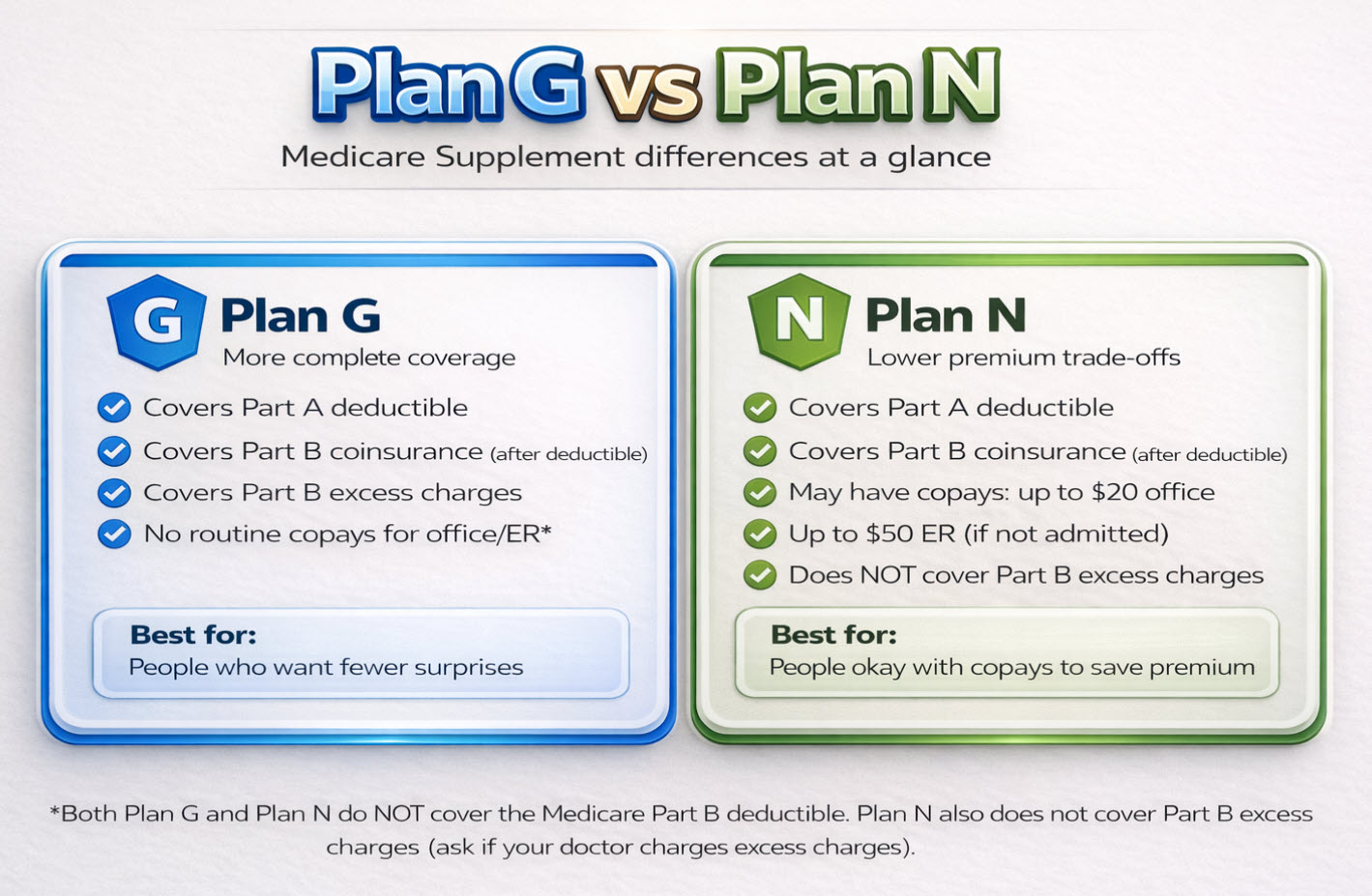
The selection process is further influenced by future considerations, such as how potential health changes might affect your coverage needs. It’s advisable to employ tools that facilitate comparison, understanding the subtleties in coverage each plan provides.
By doing so, you not only ensure that you’re well-protected against unforeseen medical expenses but also align your plan with personal preferences and financial capacities, providing peace of mind throughout retirement. Reading insights into plans and consulting with informed resources can also enhance your decision-making, equipping you with the necessary knowledge to choose wisely.
| Plan Type | Coverage Benefits | Typical Premiums | Ideal For | Considerations |
|---|---|---|---|---|
| Plan A | Basic benefits | Lower | Those seeking minimal coverage | Does not cover Part B excess charges |
| Plan F | Comprehensive, including Part B excess | Higher | Those wanting maximum coverage | Not available to new enrollees post-2020 |
| Plan G | Similar to F, minus Part B deductible | Moderate to higher | High cover needs, post-2020 enrollees | Potential for higher out-of-pocket costs initially |
| Plan N | Broader coverage with cost-sharing | Moderate | Seeking balance of coverage and cost | Co-pays and Part B deductible apply |
| Plan C | Inclusive of most out-of-pocket costs | Higher | Frequent users, if eligible | Also unavailable to new enrollees post-2020 |
Medicare Supplement Plan Cost 2027
Choosing the right Medicare Supplement Plan involves various cost considerations that can significantly affect your financial planning.
While these plans offer the important benefit of covering gaps such as copayments and coinsurance left by Original Medicare, the factors influencing their costs are critical to understand. Key elements that determine the monthly premium of a supplement plan include your location, age, and provider choice. By evaluating these factors, beneficiaries can strategically minimize costs and optimize their Medicare supplement coverage, making informed decisions that cater to both immediate health needs and long-term financial goals.
How Location, Age, and Provider Choice Impact Premiums
The cost of a Medicare Supplement Plan’s monthly premium is influenced by multiple factors, with location being one of the most significant. Premiums can vary widely depending on where you live because states have different rules that affect how premiums are set.
For instance, some states implement community-rated pricing, meaning everyone pays the same rate, while others may follow an attained-age rating, where premiums increase as you age. Additionally, specific states might offer unique supplement plan options or discounts, impacting the cost variability each beneficiary experiences.
Age also plays a pivotal role, as older beneficiaries often face higher premiums. While certain providers might offer lower rates for younger enrollees, understanding the pricing model, whether it’s issue-age, attained-age, or community-rated, helps predict future costs effectively.
Provider choice further impacts premiums due to variations in administrative costs and competitive pricing strategies among insurers. Some providers might focus on broader networks or enhanced customer service, adding layers of cost to the premium.
To effectively lower your premiums, consider comparing different provider offerings, exploring discounts, and evaluating the plan benefits that match your healthcare usage.
Leveraging tools to assess the specific plans available in your state can provide clarity and facilitate better choices. By comprehensively understanding how location, age, and provider choice affect costs, you position yourself to maximize the benefits of your Medicare Supplement Plan, ensuring that your healthcare remains both high-quality and affordable through retirement.

Medicare Supplement Plans 2027 Comparison
To effectively compare Medicare Supplement plans, it’s essential to consider factors like coverage benefits, premiums, and provider networks. Start by evaluating the standardized nature of Medigap policies, which ensures consistent benefits across insurers. This standardization simplifies comparison, allowing beneficiaries to focus more on cost factors like monthly premiums and provider choice.
Using resources like government platforms or consulting an insurance agent can significantly aid in understanding the differences between plans offered by providers like AARP and others, ensuring informed decisions during open enrollment.
Each provider offers unique advantages, such as discounts, added benefits, or enhanced customer support, which can influence your choice significantly.
It’s essential to thoroughly compare these aspects, as they can impact the overall satisfaction and financial expenditure of your insurance plan. Additionally, consider the insurance provider’s reputation, customer service history, and claims processing efficiency, since these factors can affect your overall experience.
Furthermore, understanding the enrollment timelines, such as the open enrollment period, and how they impact your ability to purchase plans without medical underwriting is crucial.
This period is an ideal time to secure a plan, as insurers cannot deny coverage based on health status. By meticulously assessing plans from various providers, you position yourself to maximize health benefits while managing costs effectively. A well-chosen plan not only mitigates the gaps left by Medicare but also aligns with your health needs and financial goals, ensuring peace of mind in your healthcare journey.
Medicare Supplement Plan Eligibility 2027
Understanding the enrollment and eligibility criteria for Medicare Supplement plans is essential for beneficiaries seeking additional coverage. Navigating the enrollment process ensures that seniors can enhance their healthcare strategy with efficient Medigap plans. Eligibility requirements often hinge on specific periods, such as the open enrollment period, and certain health conditions.
By meeting these requirements, beneficiaries can secure coverage without risk of rejection or higher premiums due to health issues. This can substantially impact their overall coverage and financial planning within the Medicare system.
Understanding When and How to Purchase a Plan
Navigating the purchase of a Medicare Supplement plan involves understanding the nuances of enrollment periods and eligibility criteria.
The most opportune time to enroll in these supplement plans is during the open enrollment period, which starts the month you’re both 65 or older and enrolled in Medicare Part B. This six-month period is crucial because it allows you to purchase any Medigap policy offered in your state without medical underwriting. This means insurance companies cannot charge higher premiums or deny coverage based on health conditions during this time.
It’s essential to plan strategically to take advantage of this period to ensure you get the coverage that best fits your needs.
Outside the open enrollment period, buying a Medigap policy can come with challenges.

Insurance companies have the right to use medical underwriting to review your past health history and current health status, potentially affecting your eligibility and premiums. For those considering switching plans, understanding any state-specific requirements is vital, as they can offer additional open enrollment options or protections.
Working with a knowledgeable insurance agent can simplify the process, providing insights into the requirements and helping align the plan choice with your health and financial goals.
Ultimately, understanding the enrollment windows and eligibility requirements helps prevent future complications and ensures continuous, adequate coverage. Planning ahead and utilizing resources from CompareMedicareSupplementPlans.org can further aid in making informed decisions, emphasizing the necessity of timing and compliance with governmental regulations.
Empowering beneficiaries with this knowledge underlines the importance of timely enrollment to optimize their Medicare Supplement insurance strategy effectively.
Understanding the nuances of Medicare Supplement Plans, including benefits, costs, and provider options, is crucial for making informed health coverage decisions. By evaluating standardized Medigap plans (A–N) and their offerings across U.S. states, individuals can find suitable coverage to bridge Medicare gaps.
Our resources at CompareMedicareSupplementPlans.org offer comprehensive insights to help you navigate this important choice. Stay informed and make decisions that best meet your healthcare needs for the coming years.

Frequently Asked Questions
What are Medicare Supplement Plans?
Medicare Supplement Plans, also known as Medigap, are designed to fill coverage gaps in Original Medicare, such as copayments, coinsurance, and deductibles. These plans are standardized by the federal government, ensuring consistent benefits across insurers, although costs can vary by state.
How do Medicare Supplement Plans differ across states?
While the benefits of Medicare Supplement Plans are standardized across the U.S., their costs can vary significantly based on state-specific factors, such as healthcare regulations and cost of living. Some states might also offer unique supplemental options or pricing structures.
When is the best time to enroll in a Medicare Supplement Plan?
The ideal time to enroll in a Medicare Supplement Plan is during the six-month open enrollment period, which begins the month you turn 65 and are enrolled in Medicare Part B. During this time, you can purchase any Medigap policy without medical underwriting, preventing potential premium increases due to health conditions.
What factors influence the cost of Medicare Supplement Plan premiums?
The cost of a Medicare Supplement Plan’s premium is influenced by several factors, including:
- Location: Premiums can vary widely depending on your state.
- Age: Pricing models such as attained-age or issue-age can affect future premium costs.
- Provider Choice: Different insurers may offer varying administrative costs and benefits.
Do Medicare Supplement Plans cover additional services like vision or dental care?
No, Medicare Supplement Plans generally do not cover additional services such as vision, dental care, prescription drugs, or long-term care. Their primary function is to enhance your existing Medicare coverage by reducing out-of-pocket expenses for services included in Original Medicare.